Decorative Layered Wall Art: A Versatile and Creative Solution for Home and Office Decor
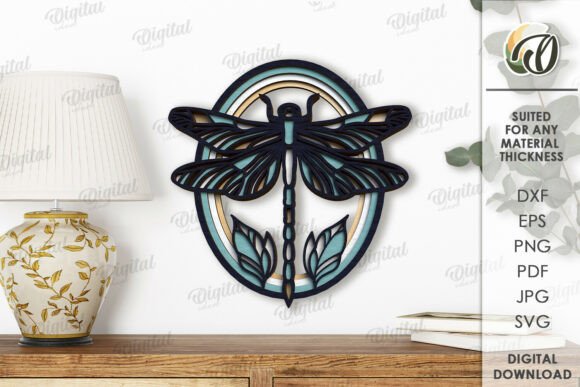
Decorative layered wall art offers a unique way to enhance the visual appeal of any space. Unlike traditional flat artwork, this type of design incorporates multiple layers to create depth, texture, and dimension. It can be used in both residential and commercial settings to add personality, style, and a sense of originality. The versatility of decorative layered wall art makes it a popular choice among those looking for creative solutions to elevate their environment.
What Makes Decorative Layered Wall Art Distinct?
Decorative layered wall art is characterized by its multi-dimensional structure. Each layer contributes to the overall aesthetic, allowing for intricate details and visual interest. This approach differs from standard two-dimensional artwork, which often lacks the depth and complexity that layered designs provide. The materials used—such as paper, fabric, wood, or metal—can also vary, offering different textures and finishes that influence the final look.
The design possibilities are nearly endless. Whether you prefer minimalist patterns, abstract shapes, or realistic scenes, decorative layered wall art can be tailored to suit individual tastes. The ability to customize these pieces makes them an attractive option for those who want a unique, personalized touch in their decor.
Comparing Decorative Layered Wall Art with Other Options
When considering wall art options, decorative layered wall art stands out due to its distinct characteristics. Traditional framed prints, for example, are typically flat and may not offer the same level of visual impact. While they are easy to hang and widely available, they often lack the depth and uniqueness that layered designs provide.
Other alternatives, such as 3D wall sculptures or hanging mobiles, also offer dimensional elements but may require more complex installation or maintenance. Decorative layered wall art, on the other hand, is often easier to handle and install, making it a practical choice for many users.
Printed posters or digital displays may be more affordable, but they usually do not have the same tactile quality or artistic value as physical layered wall art. Additionally, digital options may not be as suitable for those who prefer a more hands-on or DIY approach to decor.
Strengths and Tradeoffs of Decorative Layered Wall Art
One of the main strengths of decorative layered wall art is its adaptability. It can be used in various spaces, including living rooms, offices, bedrooms, and even commercial environments like retail stores or restaurants. Its modular nature allows for easy reconfiguration, making it ideal for those who like to change their decor frequently.
Another advantage is the potential for customization. Many artists and designers offer downloadable files in formats such as SVG, DXF, EPS, PDF, JPEG, and PNG, enabling users to modify the design according to their preferences. This flexibility can be especially appealing to those with specific spatial requirements or creative visions.
However, there are some tradeoffs to consider. For instance, creating or purchasing decorative layered wall art may involve a higher initial cost compared to simpler options. Additionally, the process of assembling or installing the layers might require some time and effort, depending on the complexity of the design.
Best-Fit Situations for Decorative Layered Wall Art
Decorative layered wall art is particularly well-suited for individuals who value originality and craftsmanship. It is ideal for those who want to make a statement with their decor or create a focal point in a room. For example, a layered design featuring geometric patterns could complement a modern interior, while a more organic, nature-inspired piece might enhance a rustic or bohemian setting.
This type of wall art is also beneficial for those interested in DIY projects. With access to digital files, users can print and assemble the layers themselves, allowing for greater control over the final product. This approach can be both cost-effective and rewarding, as it combines creativity with personal expression.
Limitations and Decision Factors
While decorative layered wall art offers many benefits, it may not be the best choice for everyone. Those with limited space might find that the size of certain designs is impractical. Additionally, the need for careful handling and proper mounting can be a drawback for users who prefer low-maintenance decor options.
Decision factors include budget, available space, desired aesthetic, and the level of involvement one is willing to invest. For example, someone looking for a quick and simple solution might opt for a framed print rather than a layered design. On the other hand, an individual passionate about art and design may find the process of working with layered wall art to be a fulfilling experience.
When Decorative Layered Wall Art Is the Right Choice
Decorative layered wall art is a strong option when the goal is to create a visually striking and personalized space. It is especially effective in areas where the wall serves as a central feature, such as above a fireplace, behind a sofa, or in a hallway. In these locations, the layered design can draw attention and add a sense of sophistication.
It is also a good fit for those who appreciate the artistic process. Whether purchasing pre-designed files or creating custom pieces, the opportunity to engage with the design can be a valuable part of the experience. This makes it a great choice for hobbyists, artists, and design enthusiasts.
Alternatives to Consider
If decorative layered wall art does not meet your needs, there are several alternatives worth exploring. For instance, wall murals can provide a large-scale, immersive effect without the complexity of multiple layers. Painted walls or壁纸 (wallpaper) can also transform a space quickly and affordably.
For those who prefer a more functional approach, wall-mounted shelves or floating desks can serve both aesthetic and practical purposes. These options may be more suitable for individuals who prioritize utility alongside visual appeal.
Ultimately, the decision comes down to personal preference, budget, and the specific goals of the space. By evaluating the strengths and limitations of each option, you can make an informed choice that aligns with your needs and vision.
Conclusion: Making an Informed Choice
Decorative layered wall art offers a unique blend of creativity, customization, and visual impact. It is a versatile option that can enhance any space, provided it fits the user’s preferences and requirements. Understanding the differences between this type of wall art and other alternatives can help you make a more thoughtful decision.
Whether you choose to explore decorative layered wall art or another form of decor, the key is to select options that reflect your style and meet your practical needs. With the right approach, you can create a space that is both beautiful and meaningful.