How to Use an Hourly Schedule Template to Take Control of Your Day
Whether you're a busy professional, a student, or a freelancer, managing your time effectively can make all the difference. An hourly schedule template is a powerful tool that helps you break your day into manageable blocks, making it easier to stay on track and get things done. It’s not just about filling in time slots—it’s about creating a structure that supports your goals and habits.
Imagine starting your day with a clear plan, knowing exactly what needs to be done each hour. That’s the power of an hourly schedule. It allows you to prioritize tasks, avoid distractions, and maintain a balanced routine. But how do you actually use one? And why would you need it in the first place?
What Is an Hourly Schedule Template?
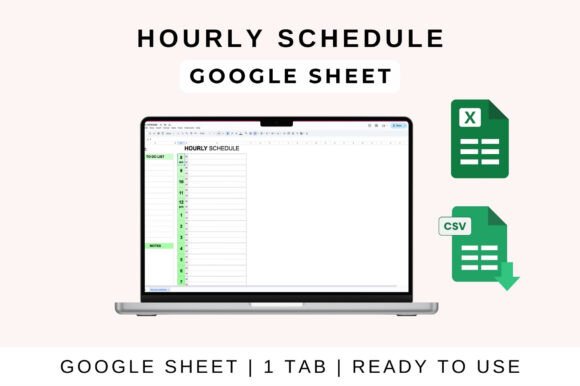
An hourly schedule template is a pre-designed format that divides your day into one-hour increments. Each block is meant for specific activities—like work, meetings, breaks, or personal time. These templates are usually customizable, so you can adjust them to fit your unique needs and lifestyle.
They come in various formats, including digital spreadsheets like Google Sheets, Excel, or Apple Numbers. Some are printable, while others are fully editable online. The key feature is that they help you visualize your day in a way that makes planning and execution straightforward.
When and Where People Use an Hourly Schedule Template
People use an hourly schedule template in different settings, depending on their goals and responsibilities. Here are some common scenarios:
- Work professionals might use it to manage client meetings, project deadlines, and team collaboration.
- Students could use it to balance study sessions, assignments, and extracurricular activities.
- Entrepreneurs often rely on it to juggle business operations, marketing, and customer service.
- Freelancers may use it to allocate time for different projects, emails, and administrative tasks.
- Parents might find it helpful to schedule child care, household chores, and personal time.
It’s also useful for people who want to build better routines, such as those aiming to improve productivity, reduce stress, or develop new habits.
Real-World Applications of an Hourly Schedule Template
Let’s look at a few practical examples of how different users might apply an hourly schedule template:
For a Remote Worker: A remote employee might use the template to structure their workday from 9 AM to 5 PM, blocking out time for focused work, meetings, and breaks. They could also include time for lunch, exercise, or family activities to maintain a healthy work-life balance.
For a Student: A college student could use the template to plan their day around classes, study hours, and social time. By scheduling specific hours for reading, writing, or attending lectures, they can avoid last-minute cramming and stay ahead of deadlines.
For a Small Business Owner: A small business owner might use the template to manage daily operations, such as checking emails, meeting with clients, handling inventory, and planning future projects. This helps ensure that no important task gets overlooked.
For a Freelancer: A freelancer could use the template to divide their day between client work, invoicing, networking, and personal development. This approach keeps them productive without burning out.
Why an Hourly Schedule Template Works for Different Users
The beauty of an hourly schedule template is that it adapts to your needs. What works for a full-time employee might not work for a part-time contractor, but the core concept remains the same: breaking your day into smaller, more manageable pieces.
Some people prefer to use it for strict time management, while others use it as a flexible guide. For example, a creative professional might use it to allocate time for brainstorming, writing, and editing, while a teacher might use it to plan lessons, grading, and meetings.
Regardless of your role, the key is to use the template in a way that aligns with your priorities. It’s not about rigidly following every hour—it’s about creating a framework that supports your workflow and helps you stay consistent.
Things to Consider Before Using an Hourly Schedule Template
Before diving into an hourly schedule template, there are a few things to keep in mind:
- Understand your daily rhythm: Are you a morning person or a night owl? Adjust the template to match your natural energy peaks.
- Be realistic: Don’t overload your schedule with too many tasks. Leave room for unexpected events or breaks.
- Customize it: Not all templates are created equal. Choose one that allows you to add notes, priorities, and reminders.
- Test it: Try using the template for a week and see how it fits your workflow. Make adjustments as needed.
Also, consider whether you need a digital or printable version. If you’re always on the go, a digital template that syncs across devices might be more convenient. If you prefer a tactile experience, a printable version could be more satisfying.
How to Get Started with an Hourly Schedule Template
If you’re ready to try an hourly schedule template, here’s a quick guide to get you started:
First, choose a format that suits your preferences—Google Sheets, Excel, or a printable PDF. Then, upload or download the file and open it. Fill in your daily tasks, meetings, and personal time in the appropriate hourly blocks. Use the notes section to jot down reminders or priorities.
Once you’ve filled in the details, let the template do the rest. Many versions automatically update totals or highlight upcoming tasks. You can also share it with colleagues, clients, or family members if needed.
Remember, the goal isn’t to fill every minute of your day—it’s to create a structure that helps you stay focused and productive. With an hourly schedule template, you’re taking a proactive step toward better time management and a more balanced life.