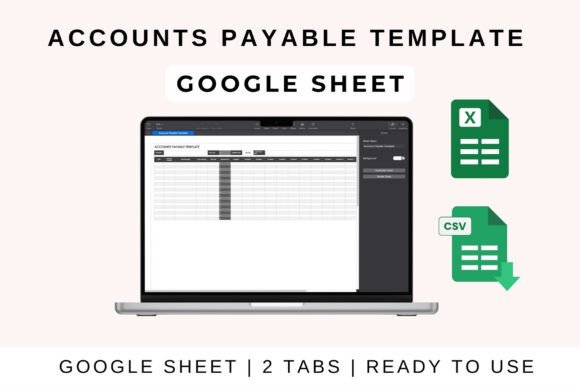
Mastering Accounts Payable with the Google Sheets Template
In today’s fast-paced business environment, efficient financial management is crucial for maintaining healthy cash flow and ensuring smooth operations. One tool that has gained significant traction among professionals, freelancers, and small businesses is the Accounts Payable Template Google Sheet. This digital solution offers a structured approach to managing invoices, tracking payments, and optimizing financial workflows. Whether you're running a startup or managing a growing enterprise, understanding how to leverage this template can make a world of difference in your day-to-day operations.
What Is an Accounts Payable Template?
The Accounts Payable Template is a financial tracking system designed to help businesses manage their outstanding liabilities. It serves as a centralized hub for recording and monitoring invoices, vendor payments, and due dates. Available in both Google Sheets and Microsoft Excel, this template automates key calculations, streamlines payment schedules, and enhances overall financial transparency.
Unlike traditional manual methods, which are prone to errors and inefficiencies, the Accounts Payable Template Google Sheet offers a dynamic and customizable platform. Users can input data directly into the sheet, and the system automatically updates totals, profit margins, and loss figures. This level of automation not only saves time but also reduces the risk of human error, making it an essential tool for modern finance teams.
Why the Accounts Payable Template Matters in Modern Business
The rise of remote work, digital collaboration, and cloud-based tools has transformed how businesses operate. In this evolving landscape, the Accounts Payable Template Google Sheet aligns perfectly with current trends by offering a flexible, accessible, and scalable solution for financial management.
For entrepreneurs and freelancers, who often juggle multiple projects and clients, the ability to track expenses and manage payments in real-time is invaluable. The template allows users to categorize expenses, set reminders for upcoming payments, and maintain accurate records without the need for complex accounting software. This makes it particularly appealing to those who are looking for cost-effective and user-friendly solutions.
Moreover, the shift towards automation in financial processes has made tools like the Accounts Payable Template Google Sheet more relevant than ever. As businesses seek to optimize their workflows, having a system that handles repetitive tasks—such as calculating balances and sending reminders—can free up valuable time for strategic decision-making.
How to Use the Accounts Payable Template in Google Sheets
Getting started with the Accounts Payable Template Google Sheet is straightforward. First, upload the template to Google Drive and open it in Google Sheets. Once the file is open, you can begin entering your financial data, such as income, expenses, and invoice details.
The template is designed to be intuitive, with clearly labeled sections for different categories. For instance, you can enter vendor names, invoice numbers, amounts, and due dates in designated columns. As you input this information, the sheet automatically calculates totals, helping you keep track of your financial standing at a glance.
Customization is another key feature of the template. You can adjust formulas, add new categories, or modify visuals to better suit your specific needs. Additionally, the ability to share the sheet with team members enables seamless collaboration, allowing everyone to stay updated on financial progress in real time.
Using the Template in Microsoft Excel
While the Accounts Payable Template Google Sheet is ideal for cloud-based collaboration, some users may prefer the desktop version in Microsoft Excel. To use the Excel version, simply download the file and open it on your computer. Once opened, enable editing to start inputting your data.
Like its Google Sheets counterpart, the Excel version offers automated calculations and customizable features. However, it may require additional steps for sharing and collaboration, as Excel files are typically stored locally unless uploaded to a shared drive or cloud platform.
Whether you choose Google Sheets or Excel, the core functionality remains the same: a streamlined way to track accounts payable, manage vendor relationships, and maintain accurate financial records.
Practical Applications and Real-World Examples
The versatility of the Accounts Payable Template Google Sheet makes it applicable across various industries and business models. For example, a freelance graphic designer might use the template to track invoices from clients and monitor payments from vendors, such as software subscriptions or office supplies. By setting due date reminders, they can avoid late fees and ensure timely payments.
Similarly, a small retail business could use the template to manage supplier payments, track inventory costs, and forecast cash flow. With the ability to customize categories, they can organize expenses based on type, such as marketing, utilities, or staffing. This level of detail helps in identifying cost-saving opportunities and improving financial planning.
Another practical use case involves remote teams working on multiple projects. By sharing the Accounts Payable Template Google Sheet with team members, all stakeholders can access up-to-date information and contribute to financial tracking efforts. This promotes transparency and accountability, which are essential for successful project management.
Connecting to Broader Trends and Developments
The increasing demand for digital financial tools reflects broader shifts in how businesses operate. As more companies adopt remote and hybrid work models, the need for cloud-based solutions like the Accounts Payable Template Google Sheet has grown. These tools support flexibility, accessibility, and real-time collaboration, which are critical in today’s dynamic business environment.
Additionally, the emphasis on data-driven decision-making has made financial tracking more important than ever. With the Accounts Payable Template Google Sheet, businesses can gather and analyze financial data to make informed choices about budgeting, forecasting, and resource allocation. This aligns with the growing trend of leveraging technology to enhance operational efficiency.
As consumer expectations evolve, so do the needs of businesses. Customers now expect faster service, greater transparency, and more personalized experiences. By using the Accounts Payable Template Google Sheet, businesses can streamline their financial processes, improve vendor relationships, and ultimately deliver better value to their customers.
Conclusion
The Accounts Payable Template Google Sheet is more than just a financial tracking tool—it’s a powerful asset for businesses seeking to improve their financial management practices. Its ease of use, automation capabilities, and customization options make it an ideal choice for professionals, freelancers, and small businesses alike.
As the business landscape continues to evolve, the relevance of tools like the Accounts Payable Template Google Sheet will only grow. By embracing these digital solutions, businesses can stay ahead of the curve, optimize their workflows, and achieve long-term success. Whether you’re just starting out or looking to refine your financial processes, this template offers a practical and effective way to take control of your accounts payable.