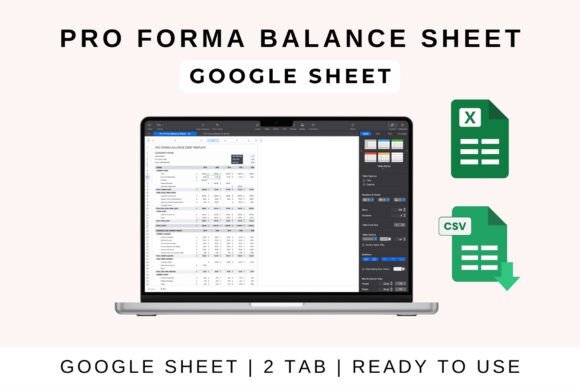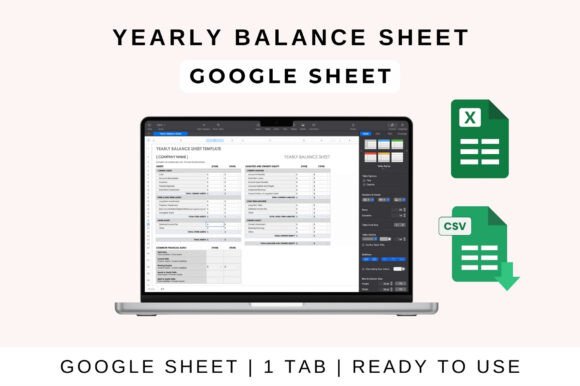
Yearly Balance Sheet Google Sheet
Keeping track of your business finances doesn’t have to be complicated. The Yearly Balance Sheet Google Sheet is a powerful tool that helps you maintain a clear and accurate financial snapshot throughout the year. Whether you're running a small business, managing accounts for a client, or working as a financial analyst, this template simplifies the process of tracking assets, liabilities, and equity. It’s designed to be user-friendly while offering the flexibility needed for different industries and business sizes.
With the right balance sheet in place, you can make informed decisions about your company's financial health. This template ensures that all your data is organized, making it easier to spot trends, identify potential issues, and plan for the future. The ability to automate calculations means less time spent on manual entries and more time focused on strategic growth.
Real-World Applications of the Yearly Balance Sheet Google Sheet
Imagine you're a small business owner who runs a local bakery. Every month, you need to track your inventory, equipment, loans, and profit margins. Without a structured system, it's easy to lose sight of where your money is going. The Yearly Balance Sheet Google Sheet allows you to categorize these elements clearly. You can see how much cash you have on hand, what you owe suppliers, and how much equity your business holds. This visibility helps you manage day-to-day operations more effectively.
For an accountant, this template is invaluable when preparing financial statements for clients. It provides a consistent format that makes comparing years easier. You can quickly highlight changes in assets or liabilities, which is crucial when advising clients on tax planning or investment opportunities. The pre-formatted sections save time, allowing you to focus on analysis rather than formatting.
Financial analysts also benefit from using the Yearly Balance Sheet Google Sheet. When evaluating a company’s performance, having a structured balance sheet makes it easier to assess liquidity, solvency, and overall financial stability. This is especially useful when presenting findings to stakeholders or during due diligence processes.
Who Benefits from Using the Yearly Balance Sheet Google Sheet?
The versatility of the Yearly Balance Sheet Google Sheet makes it suitable for a wide range of users. Entrepreneurs launching a new business can use it to track initial investments, ongoing expenses, and revenue streams. By maintaining a clear record of their financial position, they can make better-informed decisions about scaling their operations or seeking funding.
Freelancers and consultants often overlook the importance of formal financial reporting. However, having a yearly balance sheet helps them understand their net worth and track income against expenses. This is particularly useful when preparing for tax season or negotiating contracts with clients.
Nonprofit organizations can also find value in this template. While their financial goals may differ from for-profit businesses, tracking assets and liabilities is still essential. The Yearly Balance Sheet Google Sheet helps them maintain transparency with donors and board members, ensuring that funds are used appropriately and efficiently.
How to Customize the Template for Your Needs
One of the greatest strengths of the Yearly Balance Sheet Google Sheet is its adaptability. You don’t have to stick to a one-size-fits-all approach. For example, if you run an online store, you might want to include categories like digital inventory, website costs, and subscription fees. If you’re in the service industry, you could add fields for client deposits, project-based expenses, and employee salaries.
Customization isn’t just about adding new categories—it’s also about adjusting formulas and visuals. Some users prefer to see charts that illustrate asset growth over time, while others rely on simple tables for quick reference. The template allows you to modify these elements without disrupting the core structure, ensuring that your balance sheet remains both functional and visually appealing.
Another consideration is the integration of other tools. Many users combine the balance sheet with expense trackers, invoicing software, or accounting platforms. The Yearly Balance Sheet Google Sheet is compatible with Google Sheets, MS Excel, and Apple Numbers, making it easy to sync with other systems. This interoperability is a huge advantage for those who rely on multiple digital tools to manage their finances.
Common Considerations Before Using the Template
Before diving into the Yearly Balance Sheet Google Sheet, it’s important to understand what data you’ll need to input. Assets can include cash, accounts receivable, inventory, and property. Liabilities might cover loans, accounts payable, and accrued expenses. Equity represents the owner’s stake in the business. Taking the time to define these categories accurately ensures that your balance sheet reflects your true financial position.
It’s also wise to review your previous financial records to ensure consistency. If you’ve been using a different system, transferring data correctly is key. Some users may need to adjust historical entries to match the template’s structure. This step can help avoid confusion and ensure that your reports are reliable.
Finally, consider the frequency of updates. While the template automates many calculations, it’s up to you to enter new data regularly. Setting a schedule—such as updating the sheet at the end of each month—can help keep your financial records current and accurate.
Why the Yearly Balance Sheet Google Sheet Stands Out
Compared to generic spreadsheet templates, the Yearly Balance Sheet Google Sheet offers a more streamlined experience. Its pre-formatted sections reduce the time needed to set up your financial report, while the automatic calculations minimize errors. This is especially beneficial for users who aren’t familiar with complex financial formulas.
Despite its simplicity, the template doesn’t sacrifice depth. It allows for detailed tracking of financial components, making it suitable for both basic and advanced users. The ability to share the sheet with team members or accountants also enhances collaboration, ensuring that everyone involved has access to the same information.
While the template is highly effective, it’s important to recognize its limitations. It’s best suited for businesses that don’t require highly specialized financial reporting. If you work in a regulated industry or need to comply with specific accounting standards, you may need to supplement the template with additional tools or professional guidance.